


EXCLUSIVE: How one Instagram post made Kyle Sandilands $1 million in six hours
Before the first show aired, Fox’s documentary trailer reportedly brought in $1 million in subscriptions over six hours.

Joshua Fox had three months to help launch Kyle Sandilands’ first venture after The Kyle & Jackie O Show. The radio star was taking his audience to Kyle Sandilands Live (KSL), a subscription show and streaming platform. Fox’s first move was a documentary-style Instagram trailer about Sandilands’ departure from radio.
According to Fox, it generated $1 million in subscriptions in just over six hours, three weeks before the first live show. At KSL’s advertised $99 price, that would represent more than 10,000 sign-ups. Mediaweek has not independently verified the figure.
Hired as creative director to build Sandilands’ social presence and drive subscriptions, Fox has since had his initial contract extended indefinitely. He previously spent two years producing video for The Kyle & Jackie O Show and launched AIIMS Creator Hub with AIIMS Group, which says it has won 10 agency and campaign awards in 2026.
Mediaweek spoke to Fox about selling a show before it aired, building around Sandilands’ bond with his audience and who gets a say in social strategy.
READ MORE: The who's who of Kyle Sandilands new team


The leading media trade publication in Australia.
Get our top stories straight to your inbox daily by signing up to our Newsletter
By providing your information, you agree to our Terms of Use and our Privacy Policy. We use vendors that may also process your information to help provide our services.
What did you tell Kyle Sandilands in your first meeting about the new platform?
I said, “Whatever we’d do at KIIS, we’re going to do the complete opposite.”
If this were a radio network launching a show, there would be airbrushed pictures on billboards across the city and branded graphics full of the station’s logo posted across social media.
In my opinion, that creates a barrier between the listener and the talent. I told Kyle we were going to give people him in the rawest way possible.
It didn’t take much convincing. Kyle understood what his audience would respond to, and he was ready to try something new.
How did the period around his radio departure shape your approach?
At that point, Kyle was months away from being able to say anything publicly while the legal fight continued. His life felt like a reality show playing out through the tabloids.
That was when I realised it had to become part of the strategy. We needed to film what was happening so that, when Kyle could finally post, people would see this very real, very sad and freshly humbled version of him.
When we asked what Kyle’s first post should be, we decided against the obvious option: a picture of him behind a golden microphone telling people to subscribe.
Instead, his first post was a Netflix-style trailer for what became an intimate four-part documentary series.
You say the trailer generated $1 million. What happened when you posted it?
From the second I pressed post, the trailer went viral.
More importantly, it told fans Kyle Sandilands Live would give them more than another show. It was a streaming platform with additional content and a chance to see Kyle in a way they hadn’t before.
In just over six hours, that trailer generated $1 million in subscriptions. That was three weeks before the first live show.
Why lead with a documentary instead of an advertisement for the show?
People can spot an advertisement immediately, particularly when a celebrity suddenly appears online asking them to buy something.
The documentary gave people a reason to subscribe before the live show had begun. They weren’t only buying access to another program. They were buying the next chapter of a story they had already been following publicly.
That emotional investment mattered.
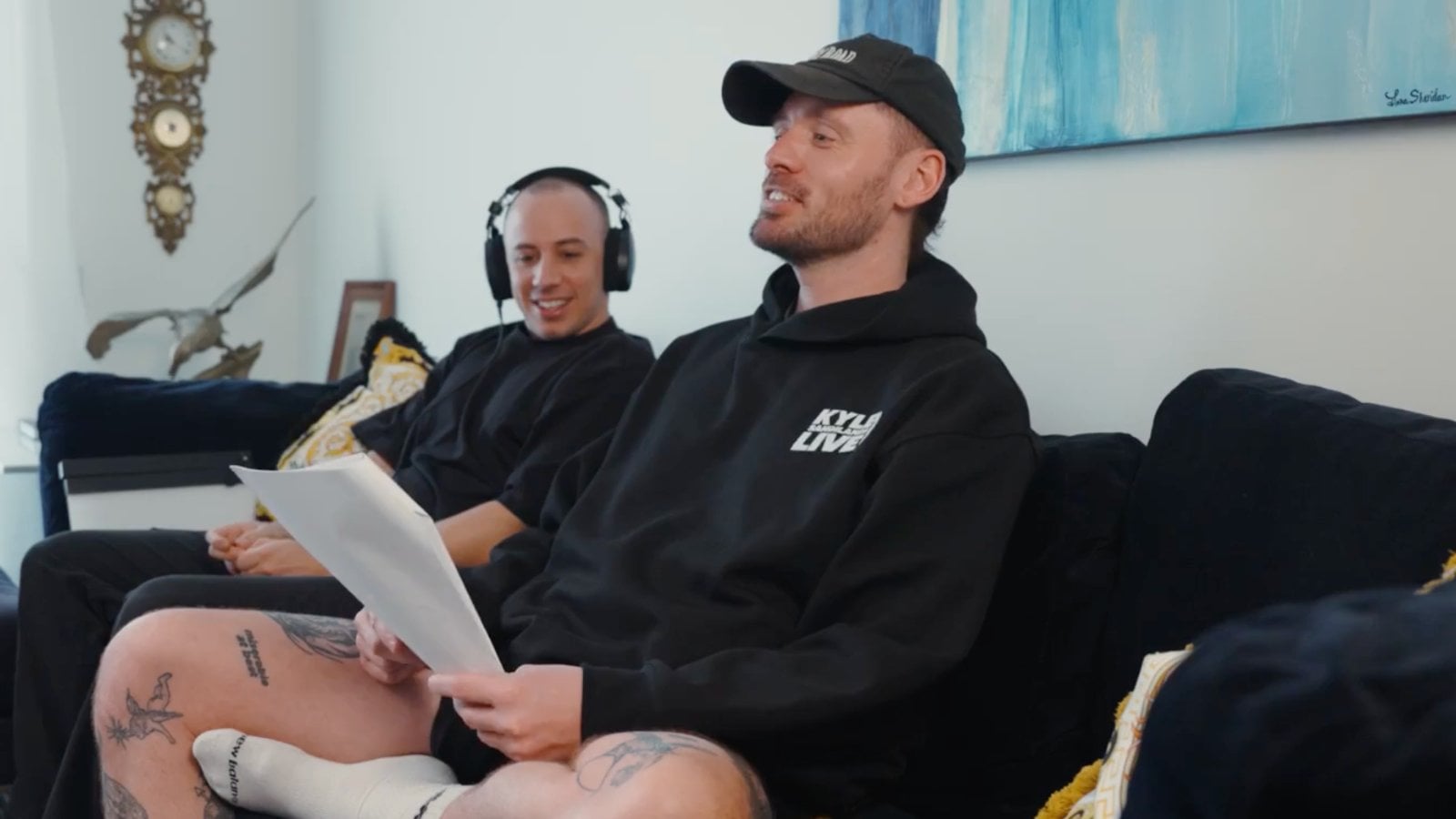
Kyle’s audience was used to hearing him for free. How did you make a subscription worthwhile?
You have to give people something they’ve never received before.
Removing advertising and censorship is part of it, but the real product is access to Kyle the person, not just Kyle the radio host.
That’s why the social feeds mix moments from the live show with Kyle at home, on the road, spending time with the team and dealing with behind-the-scenes drama. We want moments that resonate with people, rather than a feed of clips carrying the same logo.
What have you built beyond the daily program?
We created a 10-part reality series called Building The Show, documenting the process of building the platform.
We also held our first subscriber meet-and-greet, where more than 2,000 people lined up for six hours to meet Kyle.
That response says a lot about his relationship with his audience. Our job is to make sure subscribers feel seen, heard and part of what’s being built. They can’t feel as though they’re simply names on a list.
What does that response tell you about new media?
KSL's success and subscribers' response show that the shift to new media has already begun. People who’ve worked in media for decades can no longer treat it as some distant prospect while using a playbook from 20 years ago.
At the subscriber event, we interviewed fans who told us the platform felt “real” in a way other media didn’t. They said KSL made them feel seen, heard and represented. That isn’t only about Kyle; it’s about the whole concept and the relationship people have with it.
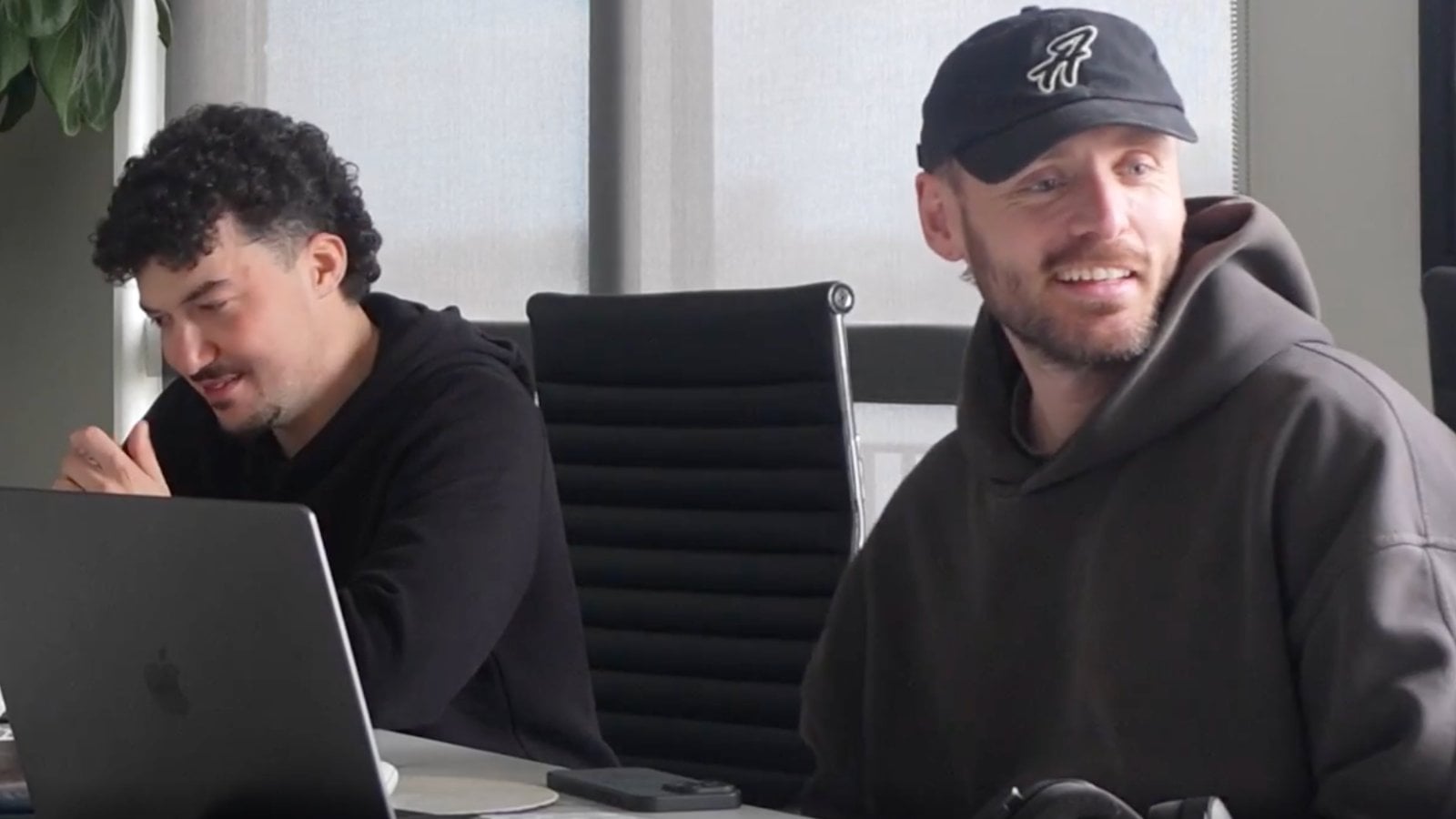
Is KSL a creator business or a traditional media product?
It has elements of both, but the operating model centres on the creator relationship.
Kyle brings the audience and decades of traditional media experience. The platform lets us build around that relationship and make more for the people who want to follow him.
Bruno brought Kyle’s vision to life and worked with developers in America to build the app, while Mayo ran the live show itself. My role covered social, digital marketing, subscriptions and the broader content strategy.
It works when the platform, the show and the social content are developed together.
Why do some established media organisations still struggle with social?
I think plenty of people who’ve been in the industry for decades understand its power. Some just don’t want to admit how much has changed, because then they’d have to confront the fact that the shift happened without them.
When I worked at big radio networks, I’d ask the youngest people in the room - interns, assistants and street teamers - what they thought about social platforms, especially TikTok. They were the ones actually using the apps.
It makes no sense for some bloke in his 50s to dictate an entire strategy for an app he doesn’t use just because he’s been in the industry the longest. Reaching people through an on-air show and reaching them on social require different skills and different minds.
What’s the biggest mistake traditional media makes on social platforms?
It tends to use social media to promote something that has already been made. They cut a clip from a radio or television show, add a logo, and upload it, hoping people will return to the original product.
Social needs its own tone, rhythm and reason to exist. If everything on a feed feels like an advertisement for somewhere else, people will treat it like one and keep scrolling.
More from Mediaweek
The leading media trade publication in Australia.
Get our top stories straight to your inbox daily by signing up to our Newsletter
By providing your information, you agree to our Terms of Use and our Privacy Policy. We use vendors that may also process your information to help provide our services.


