


ABC admits 'bad mistake' on Gaza babies claim, rejects independent regulator
Antisemitism envoy Jillian Segal wanted independent oversight for Gaza coverage - but both the ABC and SBS said no.

A false claim that 14,000 babies could die from starvation in Gaza within 48 hours has forced the ABC into an admission of failure - but the broadcaster is holding the line against a proposed independent watchdog that would review how it covers the Israel-Gaza conflict.
The admission and the pushback both came on Thursday, as the Bondi royal commission heard evidence from senior figures at the ABC and SBS.
Antisemitism envoy Jillian Segal used her appearance to argue that neither broadcaster could fairly assess its own reporting, and called for an outside body to scrutinise years of Middle East coverage.
Both broadcasters pushed back on the idea, and royal commissioner Virginia Bell raised her own objection: a body like that, she suggested, would simply open the door to influence from personal agendas.
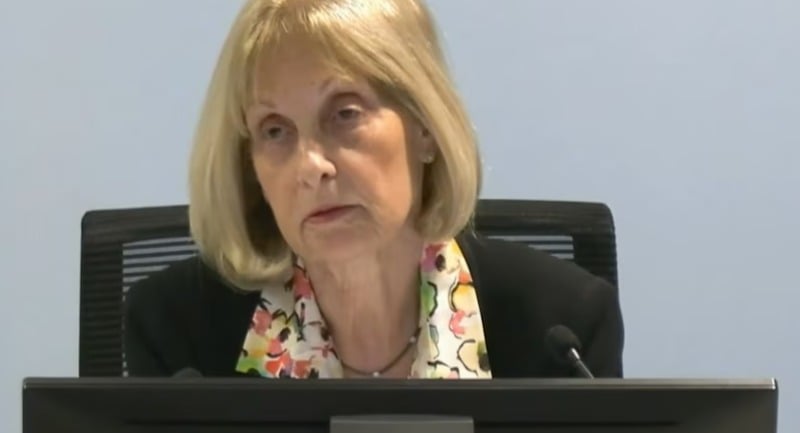 Antisemitism envoy Jillian Segal


The leading media trade publication in Australia.
Get our top stories straight to your inbox daily by signing up to our Newsletter
By providing your information, you agree to our Terms of Use and our Privacy Policy. We use vendors that may also process your information to help provide our services.
The mistake at the centre of Thursday's hearing dates back to 21 May 2025, when the ABC aired a claim, originating on the BBC, that 14,000 babies in Gaza would die within 48 hours.
It went to air at 6am on News Breakfast.
The correction didn't come until 4pm during Afternoon Briefing.
Asked by counsel assisting Richard Lancaster SC whether that gap meant most News Breakfast viewers would never have seen the correction, ABC editorial director Gavin Fang didn't dispute it.
"Yes, it was a bad mistake," he told the commission.
"The correction came on the news channel, the same channel that hosts News Breakfast, later in the afternoon. Ordinarily we would try to get a correction as soon as possible, but also do a correction to the same or similar audience."
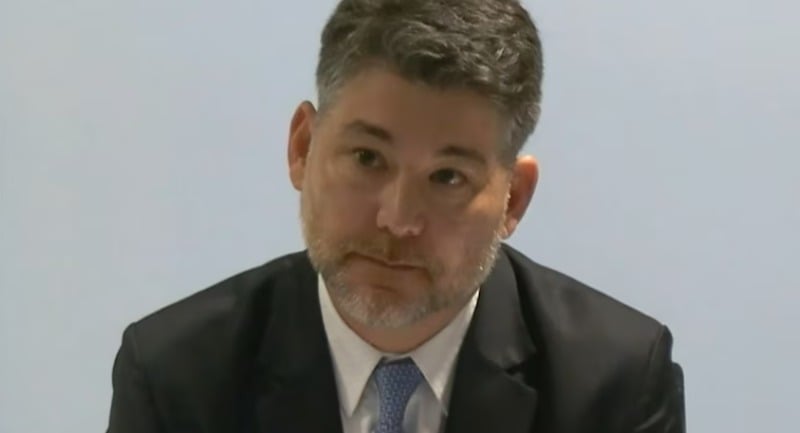 ABC editorial director Gavin Fang
A written correction wasn't posted online until a week after the broadcast. Four complaints followed, and the ABC's own ombudsman later found the reporting breached the broadcaster's accuracy standards - both in the original claim and in how slowly it was fixed.
A complaints system straining under AI-generated volume
ABC ombudsman Fiona Cameron told the inquiry complaints were up 85% year-to-date, against a running average of 25,000 a year, a rise she linked to activist groups using AI to mass-produce near-identical complaints.
Of the 19,000 content complaints resolved since October 2023, 8,000 concerned Israel-Gaza coverage, including 2,000 from a single Q+A episode. Ombudsman Fiona Cameron said volume reflects an engaged audience, not necessarily bias: "It's very hard for me to investigate something that doesn't exist."
SBS logged 157 code complaints in six months, a six-year high, with the same AI-driven pattern. Of 160 complaints covering Middle East content (44% of all code complaints in the period), ombudsman Amy Stockwell confirmed eight breaches, five of which were on accuracy.
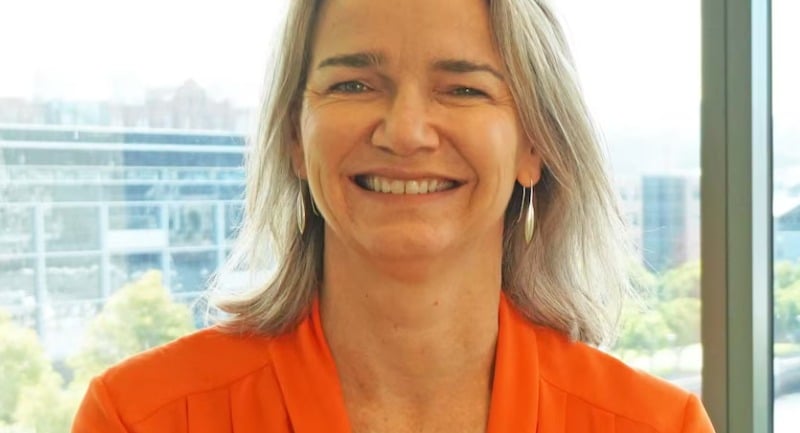 ABC Ombudsman Fiona Cameron
IHRA definition divides the broadcasters
Lancaster challenged Segal on whether the broadcasters had genuinely over-covered the Middle East, noting the ABC's statutory obligation to cover major conflicts.
Segal held her ground: "There are major famines, there are other wars we don't hear about at all in Africa. It's the perception of the Jewish community feeling constantly that they are being faced with reporting in a way that paints Israel constantly in a negative light."
Neither broadcaster has adopted the IHRA's working definition of antisemitism - "a certain perception of Jews, which may be expressed as hatred towards Jews" - used by the commission and federal government but contested elsewhere as a risk to legitimate criticism of Israel.
Fang said the ABC prefers its existing hate-speech guidelines: "Adopting a definition that is contested would not help us with … the perception of independence and our independence more broadly."
While the SBS's Mandi Wicks said the broadcaster references the IHRA definition minus its examples in its style guide but never applies it directly: "We're never in a position where something happens and we … determine as SBS that that is antisemitic."
The ABC's statement rejected claims its journalism fuelled antisemitism; while the SBS called its coverage "respectful, accurate and inclusive" and filed a 39-page submission.
Lancaster noted the inquiry also received submissions critical of the broadcasters, though Commissioner Bell said assessing individual bias claims falls outside its mandate.
More from Mediaweek
The leading media trade publication in Australia.
Get our top stories straight to your inbox daily by signing up to our Newsletter
By providing your information, you agree to our Terms of Use and our Privacy Policy. We use vendors that may also process your information to help provide our services.


